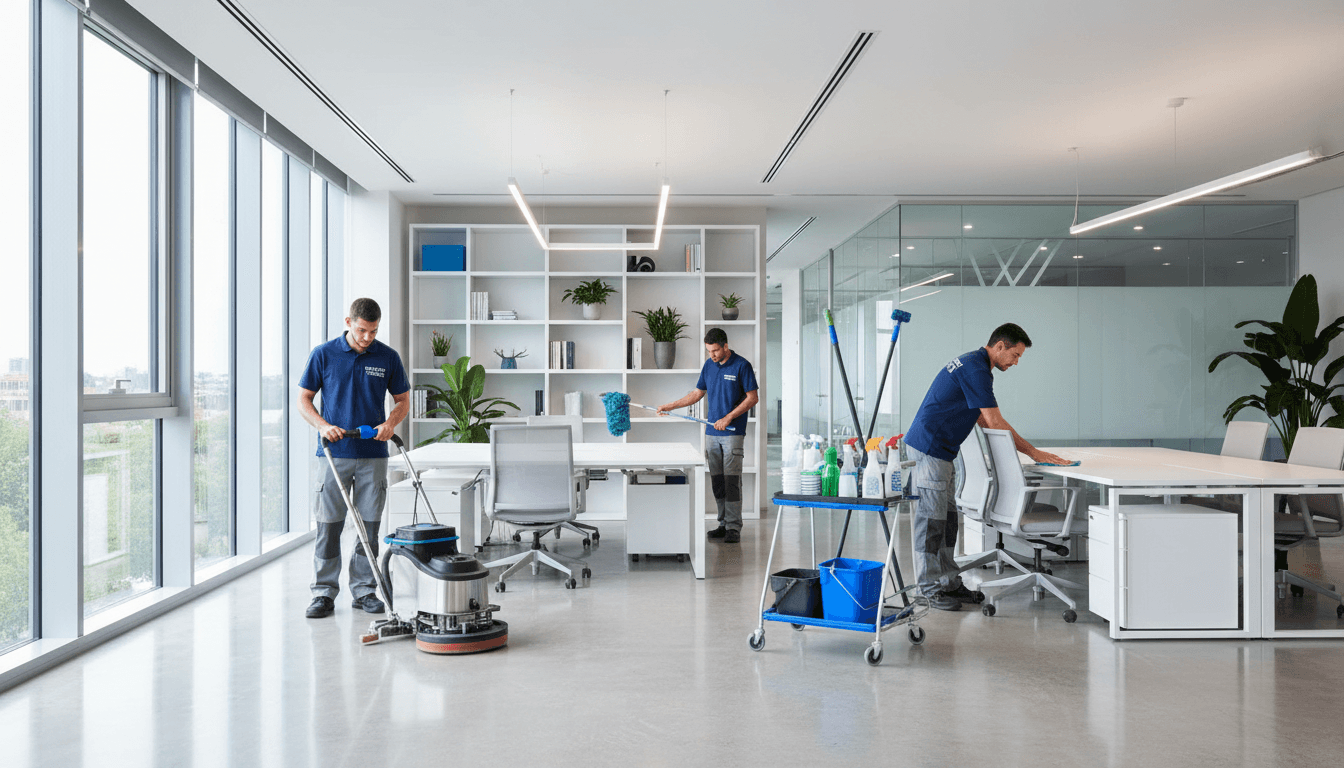

Effective commercial winter floor care requires a multi-stage entry matting system to trap snow, salt, and debris at the door. Facilities should increase cleaning frequency and use specialized floor neutralizers to dissolve stubborn white residues that standard cleaners cannot remove. This proactive approach prevents finish degradation and ensures a safe, professional environment throughout the winter season.
As the first snow begins to fall across Central Pennsylvania, facility managers face a familiar, frustrating reality. Slush, brine, and abrasive ice melt quickly transform polished entryways into dull, hazardous surfaces that compromise your building's professional image. This seasonal onslaught is more than a cleaning nuisance; it is a chemical attack on your flooring investment that can lead to permanent damage if left unaddressed. Understanding the science of salt residue and the physical toll of winter debris is essential for protecting your bottom line. In this guide, we provide an expert look at the unique challenges facing local facilities. You will learn the importance of strategic matting systems, the chemistry behind salt neutralization, and surface specific care techniques. From hardwood to epoxy, we offer a proactive checklist to ensure your floors remain resilient and pristine until the spring thaw arrives.
The Unique Challenges of Central PA Winters for Commercial Flooring
Winter in the Susquehanna Valley presents a unique set of obstacles for any commercial janitorial cleaning provider. In Lancaster County, we do not just deal with snow; we manage a volatile cycle of heavy slush, aggressive road salt, and fluctuating temperatures that can swing thirty degrees in a single day. This environment creates a perfect storm for commercial flooring. When snow-covered sidewalks in Millersville become saturated with ice melt, that chemical slurry is tracked directly into your lobby, where it begins to compromise the integrity of your floor finish immediately.
Generic maintenance advice often fails to account for the sheer volume of foot traffic and abrasive debris characteristic of Pennsylvania winters. For a local business, the white, hazy streaks left by rock salt are more than an eyesore; they represent a chemical attack on your facility's infrastructure. Professional commercial winter floor care is not merely about maintaining a polished appearance for clients; it is a critical preservation effort. By addressing these contaminants before they can sandblast your wax or penetrate porous stone, you are protecting the long term investment of your flooring assets. Maintaining high standards for commercial cleaning services during these months ensures that your facility remains safe and professional, preventing the premature degradation that leads to costly strip and wax cycles or full floor replacements.
Understanding the Chemistry: Why Salt and Ice Melt Destroy Floor Finishes
To effectively manage commercial winter floor care, one must first understand that salt and ice melt are not just messy; they are chemically aggressive. Most common deicers, such as rock salt (sodium chloride) and calcium chloride, are highly alkaline. When these compounds are tracked onto your floors, they significantly raise the pH level of the surface. Most standard daily maintenance solutions used by a commercial janitorial cleaning provider are formulated to be pH-neutral. When a neutral cleaner meets a high-pH salt residue, it fails to emulsify the minerals. Instead, it spreads the dissolved solids across the floor, which results in the stubborn white streaks and hazy film that plague Lancaster County businesses every January.
Beyond the chemical reaction, there is a mechanical threat. Salt crystals are jagged and incredibly hard. Under the weight of consistent foot traffic, these crystals act as an abrasive, essentially sandblasting the protective wax or finish off your commercial tile. This process, known as mechanical degradation, strips away the gloss and leaves the underlying material vulnerable to staining and moisture penetration.
Ice Melt Type | Chemical Characteristic | Impact on Flooring Surfaces |
|---|---|---|
Rock Salt (Sodium Chloride) | Highly Alkaline / Crystalline | Leaves heavy white residue; acts as a harsh abrasive on VCT. |
Calcium Chloride | Hygroscopic (Attracts Moisture) | Leaves an oily, slippery residue that attracts more dirt and can warp wood. |
Magnesium Chloride | Lower Toxicity | Less aggressive but still creates pH imbalances that dull floor finishes. |
The impact varies by material. Vinyl Composition Tile (VCT) suffers primarily from finish loss and scratching. However, for facilities with hardwood or porous stone, the risk is greater. Calcium chloride is hygroscopic, meaning it actively pulls moisture from the air. When trapped in the grain of a wood floor, it can cause the wood to hold excessive water, leading to cupping or warping. To mitigate these risks, contact WAMGET today to discuss how specialized neutralizers can safely break these chemical bonds without damaging your flooring investment.
The Three Stage Entryway Matting System for Maximum Protection

The most effective defense against the chemical and mechanical damage described above is a rigorous, three stage entryway matting system. This "Scrape, Blot, and Dry" approach utilizes specific mat types to address different contaminants in a sequence that prevents them from migrating into your facility.
The Scrape Stage: Heavy duty scraper mats with coarse, aggressive fibers should be placed outside the entrance or within the vestibule. These are designed to knock off large salt crystals, ice chunks, and heavy slush before they enter the building.
The Blot Stage: Transition mats, often featuring a combination of scraping and absorbing fibers, work to blot the liquid slurry from the soles of shoes. This stage captures the dissolved salt and fine grit that scraper mats might miss.
The Dry Stage: High performance wiper mats serve as the final barrier. These mats are engineered to remove the remaining film of moisture, ensuring that shoes are dry before they step onto hard surfaces.
To achieve maximum protection, a facility requires at least 15 to 20 feet of continuous matting. This specific length ensures that each foot makes contact with the matting surface at least three times, which is the industry threshold required to remove approximately 80 percent of moisture and debris.
For facility managers in Millersville, managing this system during an active snow event requires tactical rotation. When mats become saturated, they lose their ability to absorb and can actually act as a reservoir, tracking moisture further into the building. We recommend keeping a secondary set of mats on hand to rotate every few hours during heavy precipitation. This practice not only preserves the quality of your commercial cleaning services but also significantly reduces slip and fall hazards in high traffic lobbies. If your current matting is consistently soaked through by midday, it is time to contact WAMGET today to evaluate your entryway strategy. A proactive commercial winter floor care plan relies on these physical barriers to prevent alkaline residues from ever reaching your VCT or stone surfaces.
Surface Specific Winter Care: From Hardwood to Epoxy
While matting captures a significant portion of contaminants, the remaining residue requires a surface specific response based on the material's porosity and chemical sensitivity. For facilities in Lancaster County featuring hardwood, the primary danger lies in the hygroscopic nature of calcium chloride. This type of ice melt pulls moisture from the ambient air and traps it within the wood grain. As the fibers absorb this moisture, the boards swell, which leads to permanent cupping or warping that often necessitates expensive sanding and refinishing.
Facility managers frequently ask if common household products like dish soap are suitable for maintaining epoxy floors during the winter months. We strongly advise against this. Dish soap is formulated to leave a film, which on a commercial floor acts as a magnet for salt dust and creates a dangerously slippery surface when the humidity rises. For epoxy and high gloss finishes, professional grade cleaners are required to ensure no residue is left behind to dull the surface.
The necessity of specialized floor neutralizers cannot be overstated for hard surfaces like VCT and tile. When a commercial janitorial cleaning provider uses standard mopping techniques with a neutral cleaner, they often just spread the dissolved salt. As the water evaporates, the salt recrystallizes, resulting in the return of white, hazy streaks. A neutralizer chemically breaks down the ionic bond of the salt crystals, allowing them to be fully suspended in the solution and lifted away. This process is a foundational element of effective commercial winter floor care, ensuring that abrasive minerals are removed rather than redistributed. To protect your specific flooring assets from chemical degradation, contact WAMGET today for a professional assessment.
Smarter, Greener Systems for Salt Residue Removal
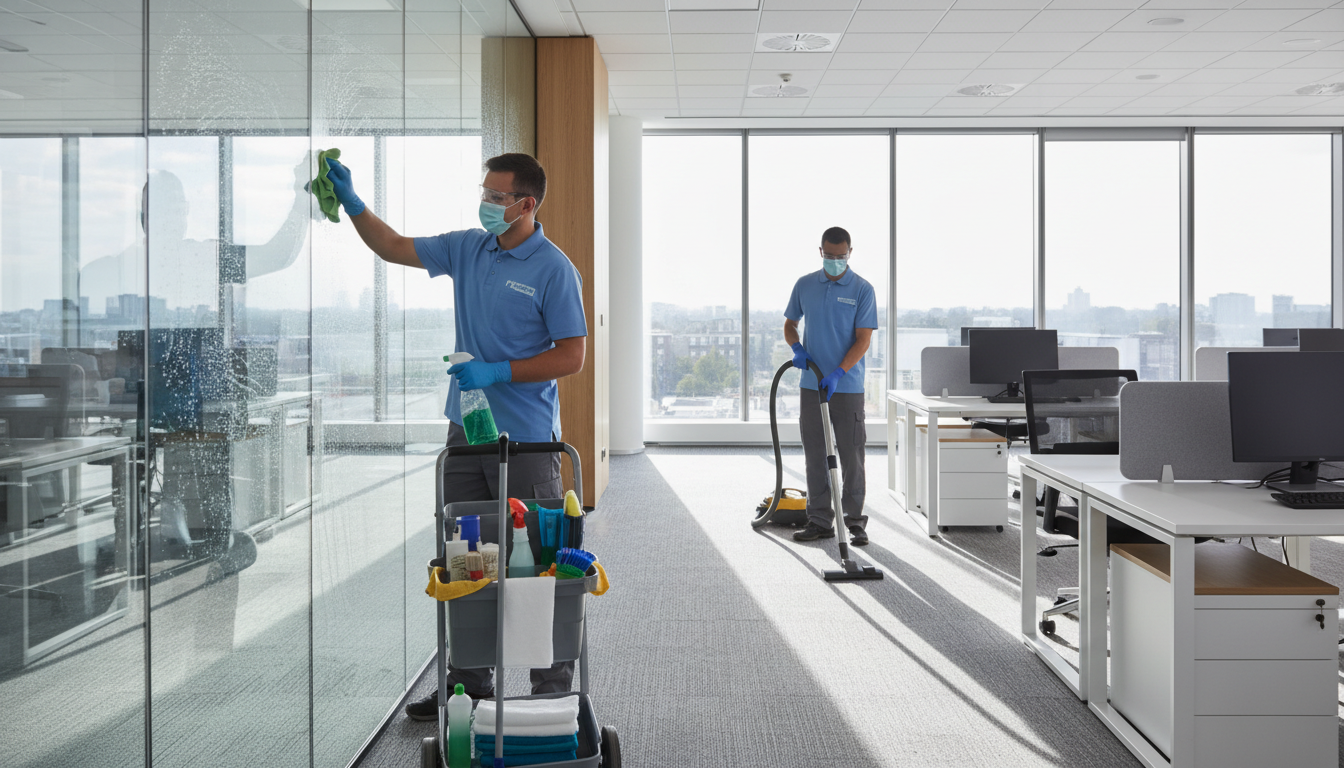
While the chemistry of salt removal is complex, the solution does not require harsh, caustic chemicals that degrade indoor air quality. WAMGET Cleaning Service utilizes smarter, greener systems that prove eco-friendly practices are often more effective than traditional methods for commercial winter floor care. We use specialized, bio-based floor neutralizers designed specifically to break down the crystalline structure of calcium and sodium chloride. Unlike aggressive acid-based cleaners that can etch stone or damage VCT finishes over time, these green formulations are safer for the workforce and the environment while maintaining the high performance needed to eliminate white salt film.
The effectiveness of our system also relies on advanced filtration. As salt-laden slush dries, it turns into a fine, abrasive powder. Standard commercial vacuums often lack the filtration necessary to contain these microscopic minerals, essentially redistributing salt dust back into the air and onto other surfaces. We utilize high-efficiency particulate air (HEPA) vacuums to pull dry salt dust deep from within carpet fibers before it can settle into the backing or act as sandpaper on hard floors. This proactive approach by a commercial janitorial cleaning provider ensures that contaminants are fully removed from the building rather than just moved around. By integrating these high-performance, low-impact tools, WAMGET provides commercial cleaning services that protect both your flooring investment and the health of your employees throughout the harsh Lancaster County winter. Contact WAMGET today to learn more about our specialized winter protocols.
A Proactive Winter Maintenance Checklist for Facility Managers

A successful strategy for commercial winter floor care depends on moving from a reactive mindset to a scheduled, preventative rhythm. For a facility manager in Lancaster County, the goal is to stop the chemical cycle of salt damage before it reaches a point of no return. As a professional commercial janitorial cleaning provider, WAMGET recommends the following proactive checklist to maintain facility integrity throughout the coldest months.
Daily HEPA Vacuuming of All Mats: Do not wait for the end of the week. Salt dust and grit must be extracted daily from your entryway matting system to prevent the fibers from becoming saturated and abrasive.
Active Snow Event Protocols: During heavy precipitation in Millersville, assign light touch up mopping every hour in high traffic zones. Use a floor neutralizer rather than plain water to keep the white film from setting and spreading.
Exterior Salt Management: Regularly inspect sidewalks and entryways for over salting. Excess rock salt left on the pavement is inevitably tracked inside; removing the surplus outside reduces the total volume of contaminants entering your building.
Weekly Edge and Corner Detailing: Salt residue tends to migrate toward baseboards and corners where standard equipment might miss. Manually detailing these areas prevents the buildup of hardened white crusts that can damage wall finishes.
Scheduled Spring Deep Extractions: Even with diligent daily care, fine salt particles will eventually reach the carpet backing. Pre schedule hot water extractions for late March or early April to flush out the winter accumulation.
Implementing these steps ensures your commercial cleaning services are protecting your long term assets rather than just performing surface level aesthetics. To develop a customized seasonal plan for your facility, contact WAMGET today.
Maintaining your commercial floors during a Central PA winter requires a proactive approach to handle salt, slush, and heavy foot traffic. By following these cleaning protocols, you can protect your facility and keep your surfaces looking professional all season long. If you find that managing these winter maintenance tasks is becoming difficult, you might consider partnering with a specialized team for expert assistance. You can explore our professional Services to see how we can help keep your facility clean. We are here to support your business whenever you need a reliable hand.